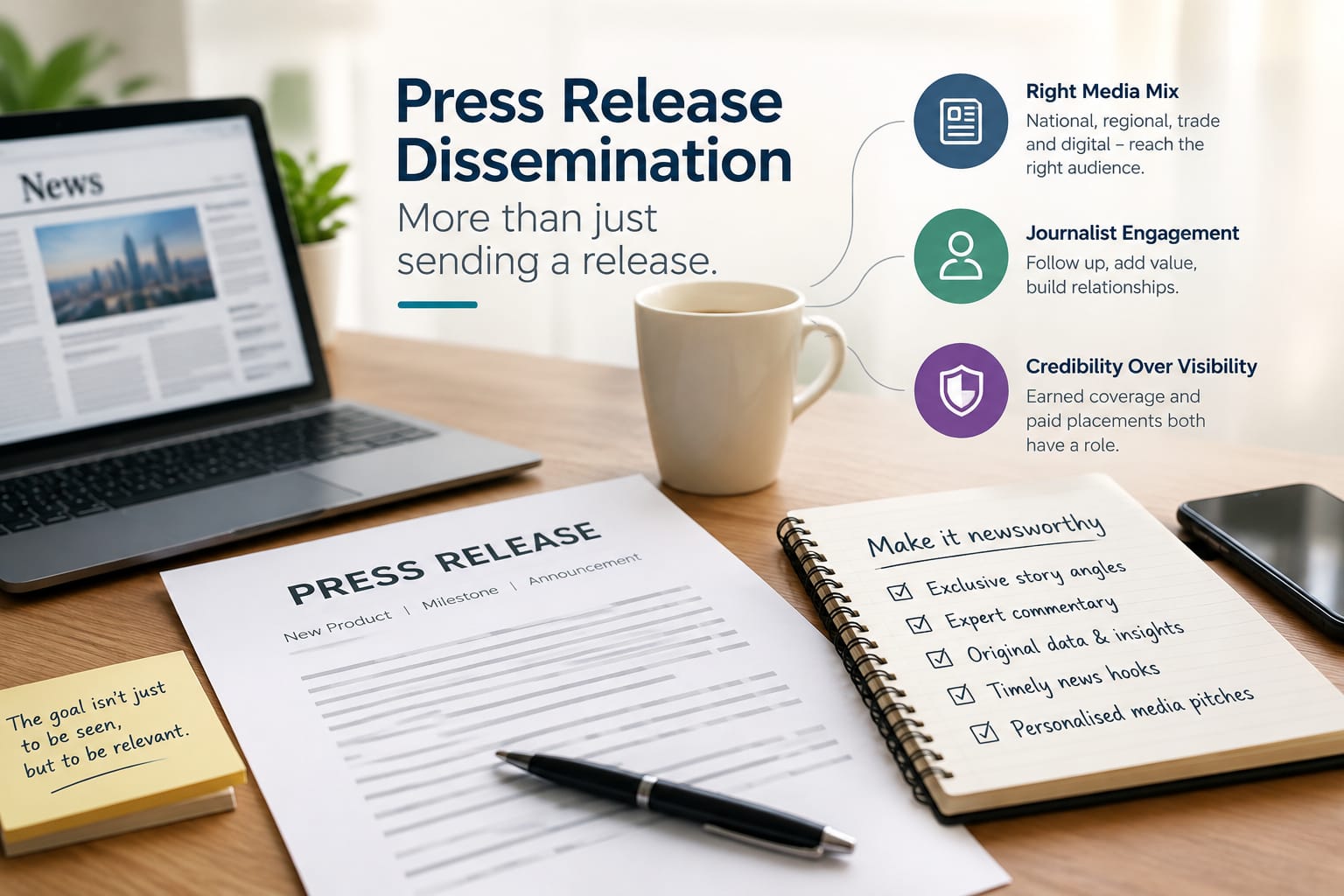
In public relations, drafting a press release is only one part of the job. The real challenge begins when the release is shared with the media and PR professionals work towards securing relevant coverage.
While press release dissemination is important, sending a release to a large media database does not always guarantee publication. Journalists receive numerous announcements every day, and whether a story gets picked up often depends on its relevance, timing and news value.
In many cases, PR professionals also find themselves comparing organic media outreach with paid distribution services. Paid distribution can help generate visibility across selected platforms, while organic outreach focuses on pitching stories directly to journalists and building editorial interest. However, the nature and quality of coverage can vary across both approaches.
This is where understanding the media landscape becomes important. Not every announcement is suitable for every publication, and a standard press release may not always be enough to attract attention. A customised pitch, an exclusive interaction or a relevant expert comment can sometimes create a stronger opportunity for coverage.
Another important aspect is managing client expectations. The number of publication links may look impressive in a coverage report, but the relevance of those publications and the quality of the coverage matter just as much. PR professionals need to communicate the difference between paid placements, syndicated releases and independent editorial coverage.
Ultimately, press release dissemination remains an important part of public relations, but it works best when supported by the right media strategy. The focus should not be only on how widely a release is circulated, but also on whether it reaches the right journalists, offers a relevant story and delivers meaningful visibility for the client.
The Importance of the Right Media Mix
One of the key aspects of press release dissemination is identifying the right media mix for a story. While clients often prioritise leading national publications, regional newspapers, trade publications and digital platforms can also play an important role, depending on the announcement and its target audience.
A business announcement may be more relevant to a trade publication, while a consumer-focused launch may find better traction with lifestyle or mainstream media. The focus should be on reaching the audience that matters rather than looking at publication numbers alone.
Follow-ups and Journalist Engagement Still Matter
Dissemination is only the first step in media outreach. Following up with journalists, understanding their requirements and offering additional information can help PR professionals assess whether a story is relevant to them.
However, follow-ups need to be thoughtful and timely. Repeatedly sharing the same release without a clear reason may not improve the chances of coverage. A better approach is to understand the journalist's beat, identify a relevant angle and offer expert access or additional inputs wherever possible.
Balancing Visibility with Credibility
For clients, seeing their announcement published across multiple platforms can be encouraging. However, PR professionals must ensure that reporting clearly distinguishes between earned media coverage and paid placements.
Both can serve a purpose in a communication plan, but they deliver different outcomes. Paid placements can support visibility objectives, while independent editorial coverage reflects a publication's decision to report on a story. Being transparent about this distinction helps clients evaluate results realistically and understand the value of the PR effort.
For PR professionals, the goal is to move beyond simply distributing information and focus on creating opportunities for stories that genuinely matter to the media and its readers.