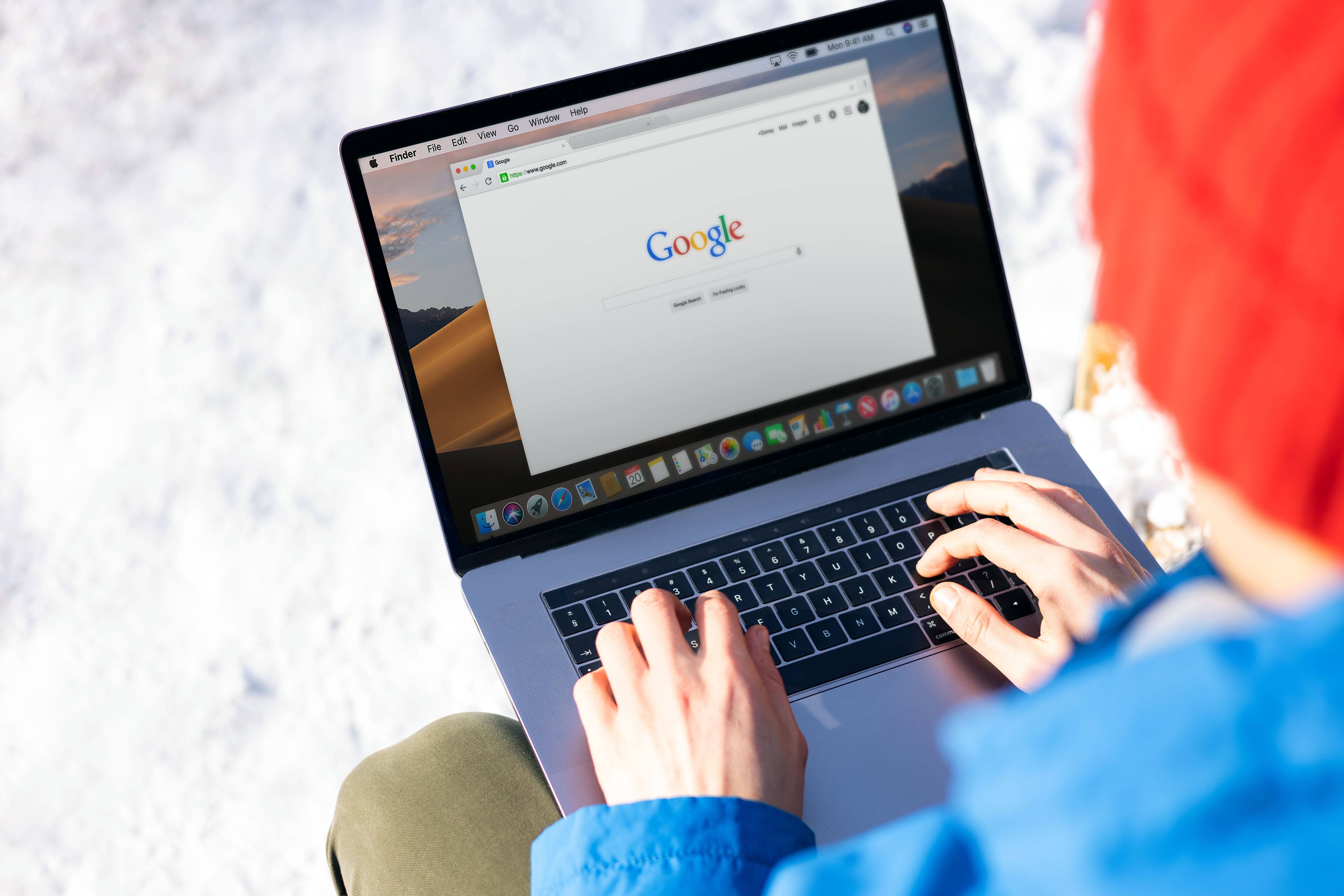
Think about the last time you heard about a company for the first time. Chances are, you didn't visit its website immediately. You probably typed its name into Google.
Whether it's a customer looking for a product, a journalist researching a story, an investor evaluating a business, or someone considering a job offer, the first instinct is almost always the same: search before you engage.
What appears in those search results often shapes an opinion long before a conversation begins.
For many businesses, this is an overlooked part of their brand. Companies spend months refining their logo, website, social media presence, and marketing campaigns, yet very few pay attention to what people actually see when they search for the company online.
A search result is more than just a list of links. It tells a story.
People notice recent news, customer reviews, leadership interviews, awards, blog articles, social media activity, and even older press coverage. If they find outdated news, incomplete information, or very little about the company, they may begin to question how active the business really is. On the other hand, seeing recent media coverage, leadership interviews, or customer success stories creates a much stronger first impression.
Most people don't spend hours researching a company. They scan the first page of Google, open a couple of links, and make up their minds. Sometimes, that's enough to decide whether they want to learn more or move on.
Search results often tell people whether a company is active and relevant. A few recent articles, an interview with the leadership team, or a company announcement can say a lot without saying much at all. When there's hardly anything to find, people are left to make their own assumptions.
Every interview, media mention, company update, or thought leadership article adds another piece to the story people see online. Those stories don't disappear after a few days. Months later, they may still be among the first things a customer, investor, job seeker, or journalist comes across when searching for your business.
The same is true when things don't go as planned. Whenever a company makes headlines for the wrong reasons, the first thing most people do is Google it. They want to know what happened, what the company has said, and whether the issue has been resolved.
The information they find often shapes their opinion before the company gets a chance to explain itself.
No business can control everything that appears on Google, and that's okay. What it can control is how it communicates over time. Regular updates, useful stories, media interactions, and clear responses during difficult moments all contribute to the bigger picture. Over time, that becomes what people remember and what they find when they search for your business.
Instead of checking your search results only when something goes wrong, make it a regular habit. Search for your company the way a customer, investor, or job seeker would. The results can tell you a great deal about the impression your business is creating.
Ask yourself:
-
What do people see when they search for our company?
-
Does that information reflect who we are today?
-
Are our leaders visible for the right reasons?
-
Is there enough recent information for someone to understand what our business does today?
-
If someone knew nothing about us and searched our name today, what would they think?
There isn't a perfect answer to these questions, and every company will have gaps. The important thing is to recognise them and work on them consistently over time.
People may never visit your office or speak to your team before forming an opinion. For many, that first impression is created by a simple Google search.
It's worth asking yourself one final question:
When someone searches for your business today, does what they find truly reflect the company you've built?