A company gets featured in a publication. The team shares the article on LinkedIn, sends it across internally, and moves on to the next story.
That is usually how PR works.
But there is another question worth asking after the excitement of a media mention has passed.
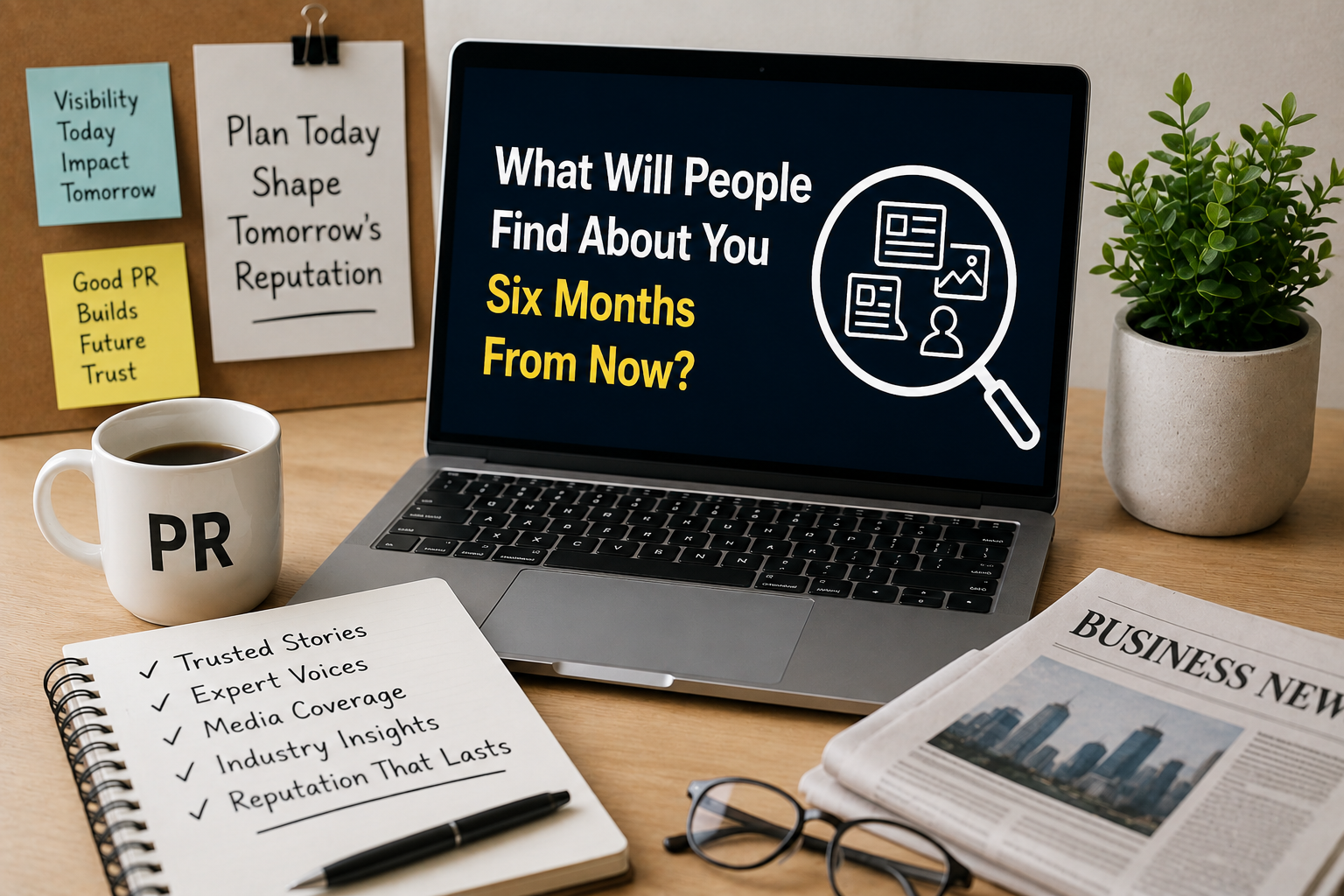
What will someone find when they search for your company six months from now?
It is an easy question to overlook because PR is often measured around what is happening today. How many stories were published? Which publication covered the company? How much reach did the article get?
Those numbers matter, but they don't tell the whole story.
Imagine a potential customer comes across your company for the first time six months from now. They may search your name before getting in touch. They could find an interview with your CEO, an article about your work, an expert comment from one of your leaders, or a story about something the company has done.
That collection of stories becomes part of the company's public image.
This is one of the reasons earned media has a value that goes beyond the day an article is published. A newspaper story or an online interview does not simply disappear once it leaves the homepage. It can remain searchable and can be discovered by people who were not even part of the original audience.
The reader six months later may have no idea when the article was published. They simply see it as information about the company.
That makes the choice of stories important.
A company can spend months talking about its latest product launch, quarterly achievement, or award. These stories have their place, but they may not tell someone much about the business once the news is no longer current.
A useful interview about an industry challenge can have a much longer life. So can an article where a leader shares an experience, explains a complicated issue, or offers a view on where the industry is heading.
These stories give people something to understand, not just something to know.
The same applies to the people leading the company.
A CEO may be interviewed today about a business decision or an industry trend. A year later, someone could come across that interview while researching the company or the leader. What they read can influence how they think about both.
This is where PR becomes more than getting a company into the news.
It is about deciding what you want that news to say about you.
If most of the coverage around a company is about awards and announcements, that is what people are likely to associate with it. If its leaders regularly speak about important industry issues, the picture becomes different. The company starts appearing as part of a larger conversation.
There is also something to be said for consistency.
One good story can create attention. Several relevant stories spread across different publications and over a period of time can create a much clearer picture.
None of this means companies need to chase media coverage every week. In fact, trying to turn every small update into a story can make communication feel forced.
The better approach is to look at what the business is actually doing and ask what is worth sharing.
What are customers struggling with?
What is changing in the industry?
What has the company learnt?
What can its leaders explain better than most?
These questions can lead to stories that have more value than a standard company announcement.
And there is another advantage. Good coverage gives future conversations a starting point.
A journalist meeting a company for the first time can look at its previous interviews. A potential employee can learn more about its leadership. An investor can understand what the business has been saying about its industry. A customer can see how the company approaches problems.
The company does not have to explain everything from the beginning because some of the story is already there.
That is why PR should not be treated as a series of isolated media wins.
Every story adds something to the record people can find later.
The article published today may not bring an immediate enquiry. It may not even get a huge response on social media. But someone searching for the company months later could find it at exactly the moment they are deciding whether to trust, contact, or work with that business.
So perhaps the better PR question is not simply, "How much coverage did we get this month?"
It is this:
If someone searches for our company six months from now, will they find a collection of stories that tells them something worth knowing?
Because good PR is not only about being seen today.
It is also about leaving behind something worth finding tomorrow.